When to Remove Moldy Carpet and Padding Instead of Cleaning
Mold in carpet: can it be cleaned or must it go?
When you discover mold growing on carpet, the first question is often whether a thorough cleaning will fix the problem. For surface mold on a small, dry area, cleaning may work. But once moisture has soaked into the padding underneath, the situation changes. In many cases, the right move is to remove both the carpet and the padding entirely. Cleaning alone cannot reach the mold that has taken hold in the underlay, and leaving that material in place means the problem will return.
Knowing when to clean and when to remove comes down to a few key factors: how long the moisture has been present, what kind of material the padding is made from, and whether the carpet has been wet long enough for mold to spread through the entire structure. If you are dealing with a flood, a persistent leak, or high humidity that has lasted for days, removal is almost always the safer choice.
Why padding matters more than the carpet surface
The carpet underlay, also called padding or cushion, sits between the carpet and the subfloor. Its job is to provide comfort, absorb sound, and extend the life of the carpet. But padding is usually made from foam, rubber, or fiber materials that are porous and moisture-absorbent. Once water gets into the padding, it holds that moisture like a sponge. Mold spores need only a damp surface and organic material to grow, and many types of padding supply both.
Even if you clean the carpet surface with a hot water extraction machine or a strong antimicrobial solution, the padding underneath may still be wet and contaminated. Mold in the underlay will gradually spread back up into the carpet, often within days or weeks. That is why carpet underlay replacement becomes necessary when moisture has penetrated deep enough to reach the padding. Cleaning the surface alone is like painting over a stain on drywall while the leak behind it is still active.
Signs that removal is needed rather than cleaning
Some situations clearly call for removal. If you notice any of the following, cleaning is unlikely to be enough:
- A musty, persistent odor that returns after cleaning. This usually means mold is growing in the padding or the subfloor, not just on the carpet fibers.
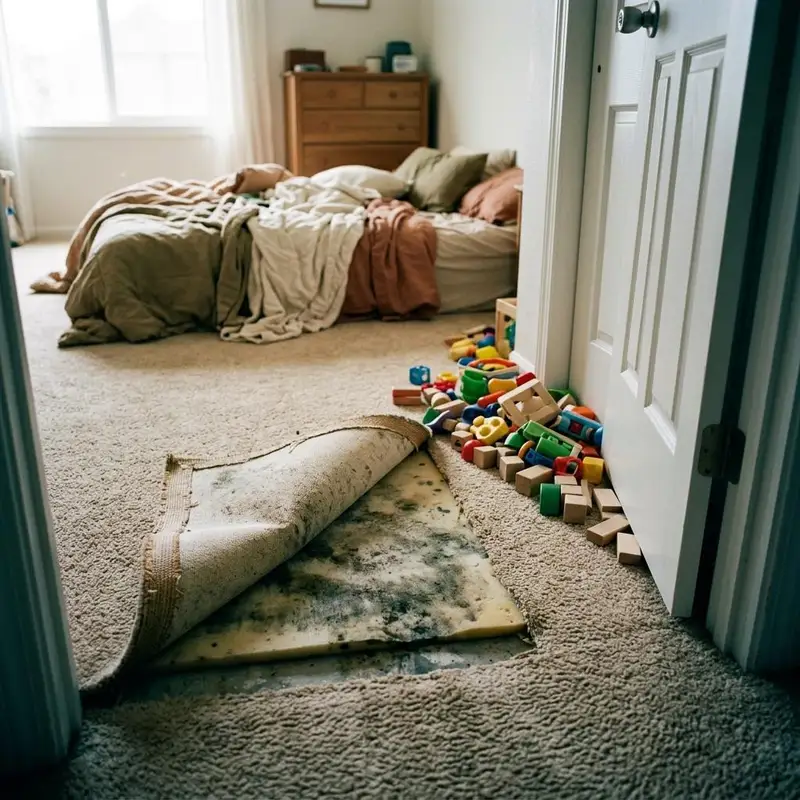
- Visible mold on the back of the carpet when you lift a corner. If you can see growth on the underside, the padding is almost certainly affected too.
- Water damage from sewage backup, floodwater, or water that has sat for more than 24 hours. These sources carry high levels of contamination and moisture that penetrate deep into the padding.
- Padding that feels damp or shows signs of delamination. When foam padding starts to crumble or separate, it has lost its structure and cannot be restored.
- Flooring that has been wet for several days without proper drying. Mold can establish itself within 24 to 48 hours, and once it spreads through the underlay, removal is the only reliable solution.
In each of these cases, carpet underlay replacement addresses the root cause. The contaminated material is taken out, the subfloor is dried and treated, and fresh padding and carpet are installed. This approach stops the mold at its source rather than trying to manage the symptoms.
When cleaning might be acceptable
Cleaning can work if the mold is limited to a small area on the surface and the padding underneath is completely dry. For example, a spill that was cleaned immediately and left no moisture in the underlay may only need spot treatment. Similarly, light surface mold caused by high humidity in a room with good ventilation can sometimes be removed with a vacuum fitted with a HEPA filter followed by a gentle cleaning solution.
But these cases are the exception. Most mold problems in carpet involve moisture that has settled into the padding. If you are unsure, the safest test is to lift a corner of the carpet and feel the padding with your hand. If it is damp, or if there is any discoloration or musty smell, removal is the better path. Carpet Mold Removal Services Pros deal with this situation regularly and can assess whether the padding has been compromised.
Health and structural concerns with leaving moldy padding
Mold in carpet padding is not just a cosmetic issue. As the mold grows, it releases spores into the air. People in the home may start to experience respiratory symptoms, headaches, or allergic reactions. Children, elderly individuals, and anyone with asthma or compromised immune systems are especially vulnerable. The longer the moldy padding stays in place, the more spores circulate through the HVAC system and into other rooms.
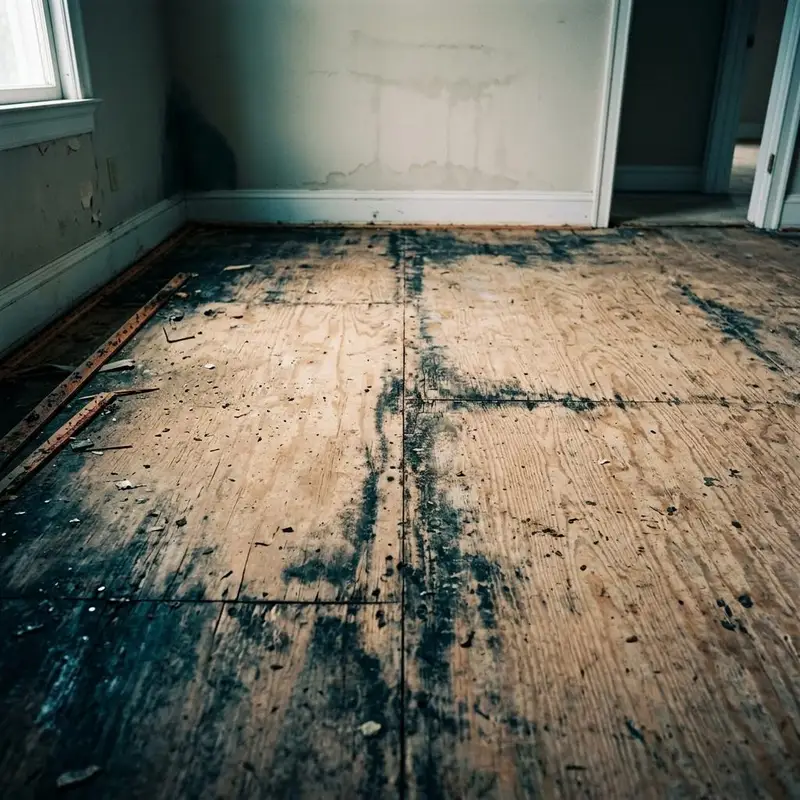
Beyond health, there is the risk to the subfloor. When padding stays wet for an extended period, moisture can wick into the wood or concrete underneath. Wood subfloors can warp, rot, or develop their own mold colonies. Concrete can trap moisture and lead to ongoing humidity problems. In these cases, carpet underlay replacement is just the first step. The subfloor may also need drying and treatment before new flooring can go down.
The removal process: what it involves
When removal is the right call, the process is straightforward but thorough. The carpet and padding are cut into manageable sections and pulled up. The subfloor is inspected for moisture and mold. Any affected areas are cleaned and dried, sometimes with the help of commercial fans, dehumidifiers, or drying mats. Once the subfloor is verified dry, new padding and carpet can be installed.
This is not a job where cutting corners pays off. Reusing any part of the old padding, even a section that looks dry, risks recontamination. Mold can spread invisibly through the padding, and what looks clean today may release spores tomorrow. Professionals like Carpet Mold Removal Services Pros follow a systematic approach to ensure that the entire affected area is addressed and that the new materials go into a clean, dry environment.
Practical judgment: the bottom line
The decision between cleaning and removal comes down to how deep the moisture has gone. If the carpet surface is moldy and the padding is dry, cleaning may be sufficient. If the padding is wet or has been wet for more than a day, removal is the only reliable option. Carpet underlay replacement is not always the first choice people consider, but it is often the most effective one for long-term results.
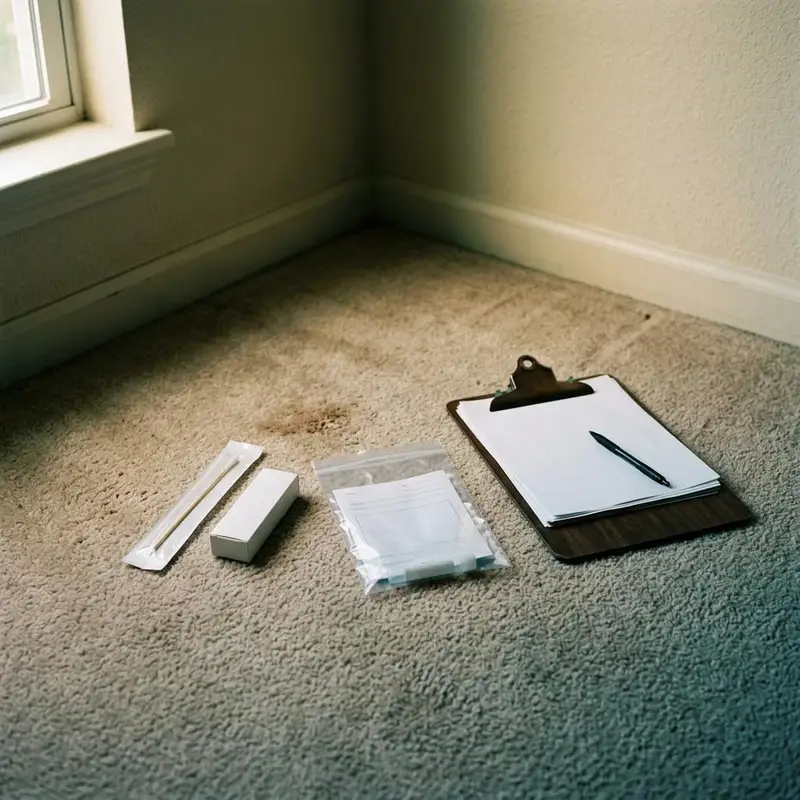
When in doubt, lift the carpet and check. The condition of the padding will tell you what to do. And if the padding is contaminated, the cleanest, safest path is to remove it entirely, dry the subfloor, and start fresh.